The 2026 FIFA World Cup was the biggest we’ve ever seen, with three host countries, 48 teams, and over 100 matches. It set several new records, including fan attendance (almost 7 million), all time goalscorer, most saves, and most clean sheets. In addition, it was a fantastic showcase of the diverse stadiums and what is possible with such unique pieces of commercial architecture. They were one of the things that got the most praise during the event, so let’s have a closer look.
Celebrating stadia
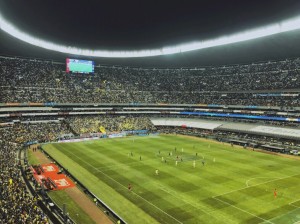 Stadiums have a massive impact on football. They shape the fan experience and also affect what happens on the pitch. There are wonderful examples all around the world, from historic venues to ultra-modern stadia with incredible features. One thing that made the 2026 World Cup so special was how interesting the stadiums were and the amazing atmosphere they could create.
In total there were 16 venues across the three countries. Of them, several stood out for different reasons. The Estadio Azteca in Mexico was one of the favourites. It has an unbelievable history and a really special feel. It also became the first venue to host matches at three different World Cups. It’s an iconic venue and shows how a great design can ensure longevity.
America has a reputation for massive commercial architecture, including skyscrapers, shopping centres, theme parks, and more. It’s something they do incredibly well. So, it’s no surprise that a few of their stadiums were on the list of best venues at the World Cup. One that stands out is Seattle Stadium. It’s a distinctive design, offering a memorable experience for visitors. Added to this, the location is amazing. A lot of stadiums suffer because they are out-of-town and end up surrounded by car parks and little else. Here though it is in the heart of the city, easily accessible, and creates an even better atmosphere.
A change in approach
As well as the impressive stadiums, the 2026 World Cup had a really interesting approach. In the past, many editions of the tournament have involved building new stadia. This has given us some wonderful designs, including FNB Stadium in South Africa and Arena da Amazonia in Brazil. However, with a change in attitudes and a focus on sustainability and longevity, this time there were no new builds; all of the stadia already existed.
A key thing is many stadiums had upgrades and renovations to meet FIFA’s standards for international football. Several US stadia had to be adapted because they were built for American football. This included key things like new playing surfaces, modifications for seating, accessibility improvements, and new media infrastructure. Even the iconic Azteca had a major renovation.
The approach ensures all the 2026 World Cup venues have a positive legacy. They will remain in active use beyond the tournament. This is much better than them becoming relics of the past or demolished, especially from an environmental point of view.
Talk to us about commercial architecture and legacy
The approach to the 2026 World Cup, including focusing on lovely architecture, great fan experiences, and longevity, is fantastic. It’s something that should be a consideration for all kinds of projects because it can maximise long term value.
If you’re considering a project and would like some help, you can rely on Coffey Architects. We have a passion for commercial architecture, homes, and much more. You can explore key topics with us, such as new builds, renovations and adaptations, sustainability, and legacy. We can even design buildings to be adaptable so they have a great future. Contact us today.