Conditions are getting tougher and tougher in the UK, particularly when it comes to the weather. As a result, it is putting more pressure on homes, commercial architecture, infrastructure, and more. One of the most worrying is the risk to healthcare buildings. Many are facing the challenge of having to do more with less, all while dealing with hotter days. We want to have a closer look here to see how architects and designers could ensure consistent performance for the properties.
The biggest challenge
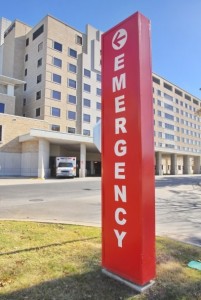 In the last few years, the UK has had some of the hottest periods on record. In fact, the Met Office believes 2025 may have been the warmest year since records began. While that may sound good, it creates serious problems. Overheating is the main one because so many properties are simply not built to withstand such high temperatures. In fact, much of the focus the last few years has been on making them warmer and more air tight to improve energy efficiency.
Hotter days are particularly challenging for healthcare buildings. Firstly, it can increase demand for services as people suffer from heat exhaustion and other problems. Alarmingly, the Health Security Agency claims there were more than 1,300 deaths in 2024 during four periods of hot weather.
Healthcare buildings also have a huge challenge to maintain performance during very hot periods. They tend to be hotter to begin with because of the equipment, plus patient and staff numbers. As they get busier, temperatures rise even more. In the worst cases, there is a chance of failure. Even if things don’t reach that point, it can cause additional problems like higher energy consumption for cooling. It is a major worry with all kinds of commercial architecture.
What to do?
Overheating healthcare buildings can have a huge impact on service delivery, health (of both patients and staff), and longevity. The key thing to keep in mind though is many issues occur because of the accumulation of smaller problems. For example, the wrong glazing plus ineffective ventilation and hot equipment on a really warm day can all lead to serious risks.
The solution is to design healthcare buildings so they operate efficiently at high temperatures. If you make these conditions the norm, you can get fantastic results. It means you don’t need to be reactive and rely on more costly fixes and retrofitting.
There is a lot to think about, but you have a chance to generate huge value if you explore potential problems early. Most importantly, look at the specifications for things like glazing and ventilation systems. It’s easier, and cheaper, to make changes to healthcare buildings and other types of commercial architecture at the design stage. You have more time here to look at costs and downsides.
One thing to consider is the modern tools you can utilise. Thermal simulations are really useful. You can use them to create models to examine how properties will perform at different temperatures. You can then determine how the conditions will affect key things like internal heat levels, the fabric of the property, ventilation needs, and control strategies. The models can inform your design choices and specifications.
Finally, make sure you think about delivery and handover. Remember designs may look fantastic on paper, but the real time operations can be much different. It’s important to think about performance and ensure you stick to the plans. Small changes can have a big impact, such as downgrading glazing. Take the time to measure and verify that everything is working correctly once the building is operational.
Do you need help designing commercial architecture?
Coffey Architects is a great team to work with if you’re trying to design buildings that will perform exceptionally in different conditions. We can consider all of the crucial elements, including the orientation, layout, building envelope, glazing, HVAC systems, and more. We’ll put the work in to look for potential issues. As a result, we can give you the most effective solutions.
We’ve got a wealth of experience with different types of commercial architecture, homes, and more. So, contact us today and let’s talk about your project.