The mass production of cars in the 1920s made them more affordable and accessible. It had a big impact on urban areas. Suddenly they were designed for vehicles to get around easily. This also had an impact on new developments, often designing them with car ownership in mind. However, attitudes are changing and generally we want to reduce reliance on cars. Walkable cities are a fantastic idea, ensuring everything is within walking distance. We want to have a closer look at that here, exploring key design considerations such as commercial architecture.
Why are they popular?
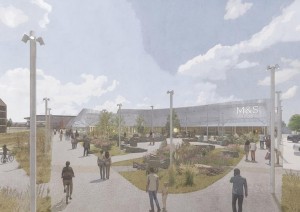 Before we jump in, let’s look at why walkable cities are popular in the first place. The main factor is they can improve health and wellbeing. Walking regularly leads to healthier lifestyles. It means residents are active and get more fresh air. Plus, it increases the frequency of interactions with other people. This is crucial for preventing feelings of isolation and builds a stronger community.
On the subject of fresh air, walkable cities have much better air quality because there are fewer vehicles on the road. This has a big impact on health and wellbeing, and is outstanding for the environment too.
Designs
The core idea of walkable cities is the key things people need on a day to day basis should be reachable on foot. This includes all kinds of shops, schools, leisure, green space, health services, and even workplaces. The best way to do that is think about the layout and placement of different types of buildings, including housing as well as commercial architecture.
Ultimately, the focus here should be convenience. Go one step further than just making it possible to reach things on foot; make it convenient and easy to plan. If people are already heading out, ensure they can easily walk past shops to pick up groceries or a cafe to grab a coffee. If you reduce how many trips people need to take, you save them a lot of time. They can then use this to do more fun things, improving their wellbeing.
As we said above, one of the big benefits of walkable cities is the community. The design should provide numerous spaces to bring people together, including parks and plazas. Create space to encourage casual and chance interactions. Additionally, make sure you remember accessibility and cater for all kinds of age groups.
Finally, it’s vital to make sure you think about the future. Urban areas evolve over time as lifestyles change. We can see the problem many have by looking at empty shops on high streets and derelict buildings. To avoid this, design buildings with flexibility in mind, making it easy to adapt them. It allows change and growth rather than limiting it.
Talk to us about commercial architecture and more
The walkable cities philosophy endures because it can create places people want to live. Residents can be more active, more connected, and save on the amount of time they need to spend driving, sitting in traffic, or trying to find a parking space. At the end of the day, it means they can enjoy better lifestyles with less stress.
If you have a project in mind, it’s a good idea to think about key things here like walkability, connectivity, public space, and flexibility. That is especially true for public buildings and commercial spaces. People expect more from these properties today; they are a key part of communities.
Coffey Architects would love to help if you want some support. We’ve got plenty of experience, designing exceptional commercial architecture, education spaces, homes, and more. So, contact us today or browse our website.