The UK is in the midst of a clean energy transition, with big investments in solar, wind, and other renewables. This is all in pursuit of Net Zero goals and reducing our reliance on fossil fuels. It can help the environment and also provide better security against supply disruptions. However, there are additional risks to think about. We want to have a closer look specifically at fire safety and roof solar systems. Then, if you want to design incredible commercial architecture with a PV system, you can rely on us.
Growth
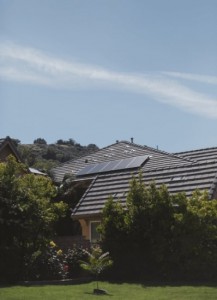 Roof solar systems have become more popular than ever in the last few years. Demand has grown as installation prices have fallen and increased accessibility. At the same time, high energy prices make it more attractive to have a self-generation system on homes, commercial buildings, and more.
The Future Homes and Buildings Standards also have a big part to play. They encourage us to build better properties, ensuring they are airtight and sustainable. However, they also recommend the use of electrical heating, particularly heat pumps. The increase in electricity demand makes a strong case for installing roof solar systems to mitigate the carbon emissions.
Safety
While there are plenty of convincing reasons to install roof solar systems, it is important to think about the risks. There is undoubtedly an impact on fire safety. That is the case whenever you install new electrical equipment. The risk can be even higher with large complex systems, especially if they include battery storage. So, you need to consider the impact on homes, commercial architecture, and other buildings.
There are a few risks that you definitely need to look at before you commit to a system. Firstly, keep in mind that the most common issue is faults with the DC connections, isolators, and cabling. This can lead to arcing, generating heat. In turn, it could potentially cause ignition. Therefore, you need to ensure the installation is safe and professional. Plus, you must factor in ageing and weathering of components.
Secondly, by their nature, solar systems can generate heat. Studies have shown there can be a local build up beneath arrays. This can worsen the fire risk. So, you need to think about key things like ventilation and how to mitigate the heat.
Another huge potential risk is using battery storage systems. They can be a great add on for solar systems, storing additional energy to use later. However, lithium-ion batteries are a major fire hazard. If a cell fails, it can start an incredibly hot, self-supporting fire. You need to think carefully about this, particularly the placement of batteries. It’s even more important with large commercial architecture; risks are greater with large systems generating more power.
Finally, you must think about the other materials in the roof. The fire risk will be highest if you install solar systems above combustible materials. If a fire happened here, it could spread rapidly and massively increase the loss severity.
The right approach
Ultimately, if you want to maximise safety, you must integrate roof solar systems into the fire strategy. Never look at it as a simple add on. Plus, consider access in case fire fighters ever need to get on the roof to tackle an incident.
Critically, ensure the solar system does not allow fire to bypass the compartmentation. If that happens, it opens the door for a fire to spread. Key things to look at include areas where cabling has to penetrate the roof build-up. Any of them, even tiny holes, should be fire resistant.
Speak to us about commercial architecture
The size of commercial buildings, and fact they typically have large flat roofs, makes them ideal for solar systems. They could generate an impressive amount of energy. You must think about the fire risk though.
If you’re looking to design exceptional commercial architecture, you can rely on Coffey Architects. We’ve got a wealth of experience and boundless creativity. Most importantly, we can ensure buildings tick all of the right boxes in terms of performance and sustainability. So, get in touch today and let’s work together.