There are several key business hubs in different countries, including New York, Hong Kong, Tokyo, Singapore, and London. As a result, there is consistent demand for high quality commercial architecture in the cities. Unfortunately, this can be tricky in some cases. Luckily, a recent decision by the Planning Inspectorate could make things easier in London. It could mean a brighter, more competitive future for the Square Mile.
The plan
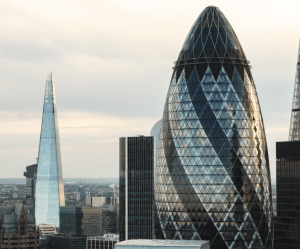 The City of London Corporation has been working on the City Plan 2040 for years. It is a key document that sets out the goals for future developments in the area. A significant part of it is the objective to build 1.2 million square metres of new office space to support future growth and avoid a supply crunch.
Significantly, the City Plan would allow new skyscrapers to be built in two key clusters in the City. According to the contours in the document, the maximum tall heights in a cluster at the east end would be 300m. The cluster at the west end would be more modest, just 90m.
Alternatives
While it is clear the City needs more commercial architecture, Historic England was critical of the Corporation’s plans. They had concerns about the impact on the Tower of London UNESCO World Heritage Site. Crucially, they had fears that the skyline and views of it would suffer, harming the value.
Historic England submitted alternative contours for the clusters. Critically, they had much shorter heights, particularly at the east end, aiming to preserve the skyline. The Planning Inspectorate had to consider these plans, comparing them to the Corporation’s.
Towards the end of September the Planning Inspectorate made their decision. Significantly, they sided with the City Plan. While accepting that Historic England’s proposals would have “a modest heritage benefit in certain views”, the lower heights would have a bigger negative impact. They would dramatically reduce the amount of floorspace, even to the point where it could harm the viability.
Ultimately, the Planning Inspectorate said the original City Plan would achieve the best results. It will maximise the delivery of new commercial architecture to allow the city to grow. At the same time, it won’t have a negative impact on the Tower of London.
What will happen now?
The decision means things can get moving once again. Housing Minister Matthew Pennycook withdrew a direction from earlier in the summer that asked for the plans to be re-examined. The City Plan can now proceed towards getting approval and introduction, potentially before the end of 2026. Once that happens, we could see plans begin to come forward to build new skyscrapers in the City of London. This could lead to job creation and economic growth.
It’s also worth noting that Historic England released a statement acknowledging the decision. Positively, they said they are willing to work with all partners “to achieve an appropriate balance” of allowing growth while preserving London’s heritage.
Do you need help with commercial architecture?
The City could look very different by 2040. Crucially, it could become home to many more skyscrapers of modern offices. It’s important to ensure supply will be able to keep up with demand here, ensuring London remains one of the most significant centres for business in the world.
If you’re looking to create commercial architecture, including outstanding high spec offices, you can rely on us. We’ve got plenty of experience. In fact, we’ve designed some notable award winning properties. You can have a look at some of them in our portfolio to get a feeling for what we can do. Remember though, we’re always creative and ready to try new things.
Get in touch if you have any questions for us or want to get things started on your own project.