High streets all over the UK are in decline. Sadly, many have lots of empty properties and desperately need upgrades. Other than London, the retrofit market typically isn’t there either. As a result, old properties can be empty for a long time and continue to decline. That brings up the question of whether residential conversion could be the best solution. Let’s have a closer look, then you can speak to us if you need help with commercial architecture.
Reputation
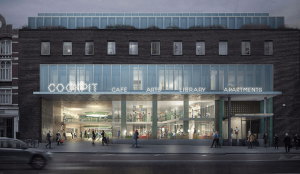 The most important thing to keep in mind is people have been living on high streets and in town centres for centuries. In fact, it was very common in the past for shop owners to live upstairs above their businesses. Today it is quite rare, and spaces above shops often go to waste or are underutilised as crude storage.
If you think about where people want to live though, there is a convincing case for more commercial to residential conversions. Generally people want to be near amenities like transport links and leisure, as well as established services like GPs. This makes high streets and town centres attractive areas. Redeveloping them can also protect the environment, reducing urban sprawl and avoiding the need to demolish and replace.
The big problem is past projects mean commercial to resi conversions have quite a bad reputation. It’s hard to shake off the idea that a project will create small, unsuitable homes. However, why not learn from these mistakes and use the experience to deliver the kind of homes people want? It could massively improve urban areas, creating a better mix of commercial architecture and housing.
Benefits
One of the best selling points for commercial to residential conversion is the speed. Projects can progress much faster, especially when they avoid the need for demolition and drawn out planning applications. It means new homes could be delivered much faster. This is ideal when you consider there is a housing shortage in many parts of the UK.
In addition, the conversions could cause less disruption for locals. While there will undoubtedly be some, it will be much less than a new build project. Much of the work will be to reconfigure inside properties. Any changes to the exterior will generally be minimal. Overall, it means less mess, less noise, and shorter project timelines.
If that wasn’t all, the projects can preserve heritage commercial architecture. We love conservation in the UK, especially when it comes to landmark buildings that showcase our heritage and give areas their unique character. However, in too many cases when we seek to protect them, buildings are actually allowed to decline. A thoughtful conversion can save the properties, including beautiful features, and return them to use.
The environmental argument is also impossible to ignore. Conversion and redevelopment keeps the embodied carbon locked in the building. At the same time, it reduces the amount of new resources the project needs. Retaining as much of the original property as possible while introducing more insulation, modern heating systems, and sustainable materials is a greener option. Plus, the right design can upgrade the property to meet current building standards.
Ultimately, a high quality commercial to residential conversion can be the best option for all parties. It can give people quality homes in great areas, putting them at the heart of communities. If you retain space on the ground floor, you can also avoid the loss of office, retail, or leisure/hospitality space.
Think about what you can do with commercial architecture
Easily the best thing about commercial buildings is they can have plenty of potential. That is especially true for older Victorian and Edwardian properties. They can have lots of features that would be ideal for homes, including high ceilings.
If you’re planning a project and want some help, don’t hesitate to contact Coffey Architects. We can design to make the most of any property, especially commercial architecture. Crucially, we can deliver incredible mixed use properties that work for everyone. So, contact us today.